Choosing the right pack for your adventure can make all the difference between a memorable experience and a frustrating one. With so many options available at expeditionoutfitterspacks.com, it’s essential to understand what features to look for in an adventure pack. Whether you’re hiking, camping, or embarking on a multi-day trek, the right pack will enhance your journey and keep your gear organized and accessible.
Understand Your Adventure Needs
The first step in selecting the perfect pack is to assess the type of adventure you plan to undertake. Are you going for a day hike, a weekend camping trip, or a week-long expedition? Each of these activities requires different gear and, consequently, different types of packs. For day hikes, a smaller daypack with enough space for water, snacks, and a first aid kit will suffice, while longer trips necessitate larger packs with more compartments for organization.
Consider the environment you’ll be exploring as well. If you’re heading into rugged terrain, look for packs that offer durability and weather resistance. Features like reinforced stitching, waterproof materials, and sturdy zippers can make a significant difference in how well your pack holds up against the elements. Understanding your adventure needs will guide you in selecting a pack that is both functional and suited to your specific activities.
Evaluate Pack Size and Capacity
Pack size is another critical factor to consider when choosing an adventure pack. Packs come in various sizes, typically measured in liters, which indicates their capacity. For short day trips, a pack with a capacity of 20-30 liters is usually adequate, while weekend trips may require 40-60 liters. For extended adventures, look for packs that can hold 70 liters or more. It’s essential to find a balance between having enough space for your gear and not carrying excess weight.
When evaluating capacity, think about the gear you’ll be bringing along. If you’re planning to carry a sleeping bag, tent, cooking equipment, and food, you’ll need a larger pack. However, if you’re traveling light, a smaller pack can keep you agile and comfortable. Always remember that a well-organized pack can feel lighter than one that is overstuffed, so consider how you can maximize space with packing techniques.
Check for Comfort and Fit
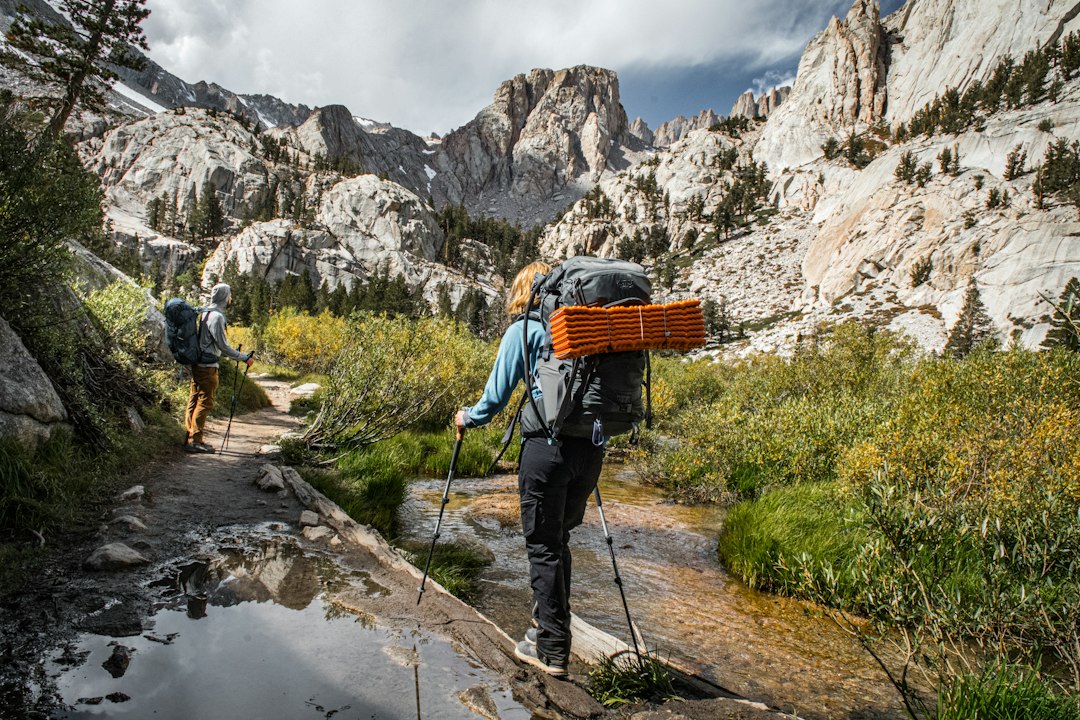
Comfort is paramount when it comes to selecting an adventure pack. A poorly fitting pack can lead to discomfort, fatigue, and even injury during your adventure. When trying on packs, pay attention to the fit on your shoulders, hips, and back. Look for adjustable straps that allow you to customize the fit to your body. Many packs also come with padded shoulder straps and hip belts, which can help distribute weight evenly and reduce strain.
Additionally, consider the pack’s ventilation system. If you’re hiking in warm weather, a pack with a mesh back panel can help keep you cool by allowing airflow. Testing the pack with some weight inside can also give you a better idea of how it will feel on the trail. Remember, a comfortable pack can enhance your overall experience, allowing you to focus on the adventure ahead.
Explore Additional Features
Beyond size and comfort, many adventure packs come with additional features that can enhance your experience. Look for packs with multiple compartments, which can help keep your gear organized and easily accessible. Hydration reservoirs, external pockets for quick access to essentials, and attachment points for trekking poles or sleeping bags can also be beneficial. These features can save you time and effort when you need to grab something quickly on the trail.
Another feature to consider is the pack’s weight. Lightweight materials can make a significant difference, especially on longer treks where every ounce counts. However, be cautious of sacrificing durability for weight. It’s essential to find a pack that strikes the right balance between being lightweight and robust enough to withstand the rigors of your adventure. By exploring these additional features, you can find a pack that truly meets your needs.
Step-by-step plan:
Step 1: Assess the type of adventure you plan to undertake. Step 2: Evaluate the size and capacity needed for your gear. Step 3: Ensure the pack fits comfortably and adjust straps accordingly. Step 4: Explore additional features that enhance functionality and convenience.